
Posted on May 14, 2026 by Katelyn Juarez
Building Foundations in Two Languages
Haira Hernandez
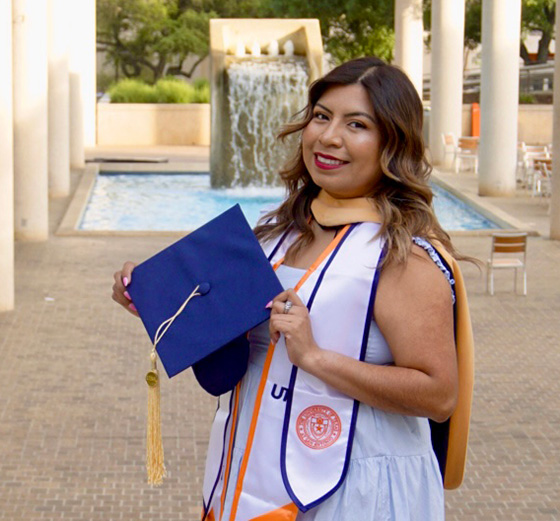
Passionate about bilingual learning and early childhood development, Haira Hernandez ‘19 brings culturally responsive teaching to her classroom. She is graduating with a master’s degree in bicultural-bilingual education and recognizes how strong beginnings shape long-term success.
 Why did you choose The University of Texas at San Antonio for both undergraduate and graduate studies?
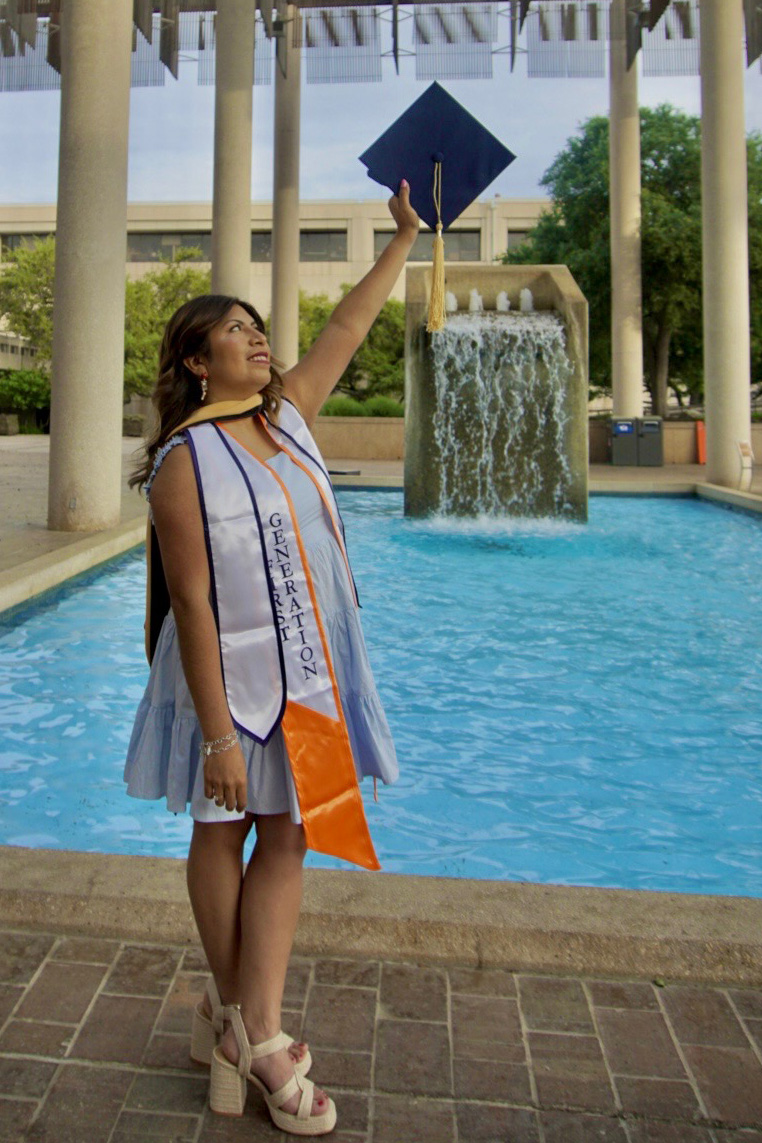
As a first-generation student, I received guidance from a high school advisor who encouraged me to apply. The University of Texas at San Antonio felt welcoming and supportive of both English and Spanish, and the professors honored students’ cultural and linguistic identities. This support made the university a place where I could grow academically and professionally while maintaining my linguistic and cultural roots.
How did the College of Education and Human Development’s teacher preparation program prepare you for the classroom?
The college provided core instructional strategies and bilingual methodologies that founded my practice, especially approaches taught in Spanish that connected to my cultural background. The coursework introduced classroom management techniques and lesson design, but the most profound learning came from hands-on experience with students. Ongoing collaboration with experienced colleagues has been essential to adapting those foundational strategies to real classroom dynamics.
Why did you choose to teach at a dual language school?
Growing up in a bilingual education environment and being inspired by bilingual teachers showed me the power of honing both languages. I chose dual language teaching to provide students with the same opportunities I had: strong academic skills in both languages, cultural affirmation and teachers who believe in their potential. Seeing young children rapidly develop language and literacy skills motivates me to continue in dual language classrooms.
What draws you to working with younger learners? 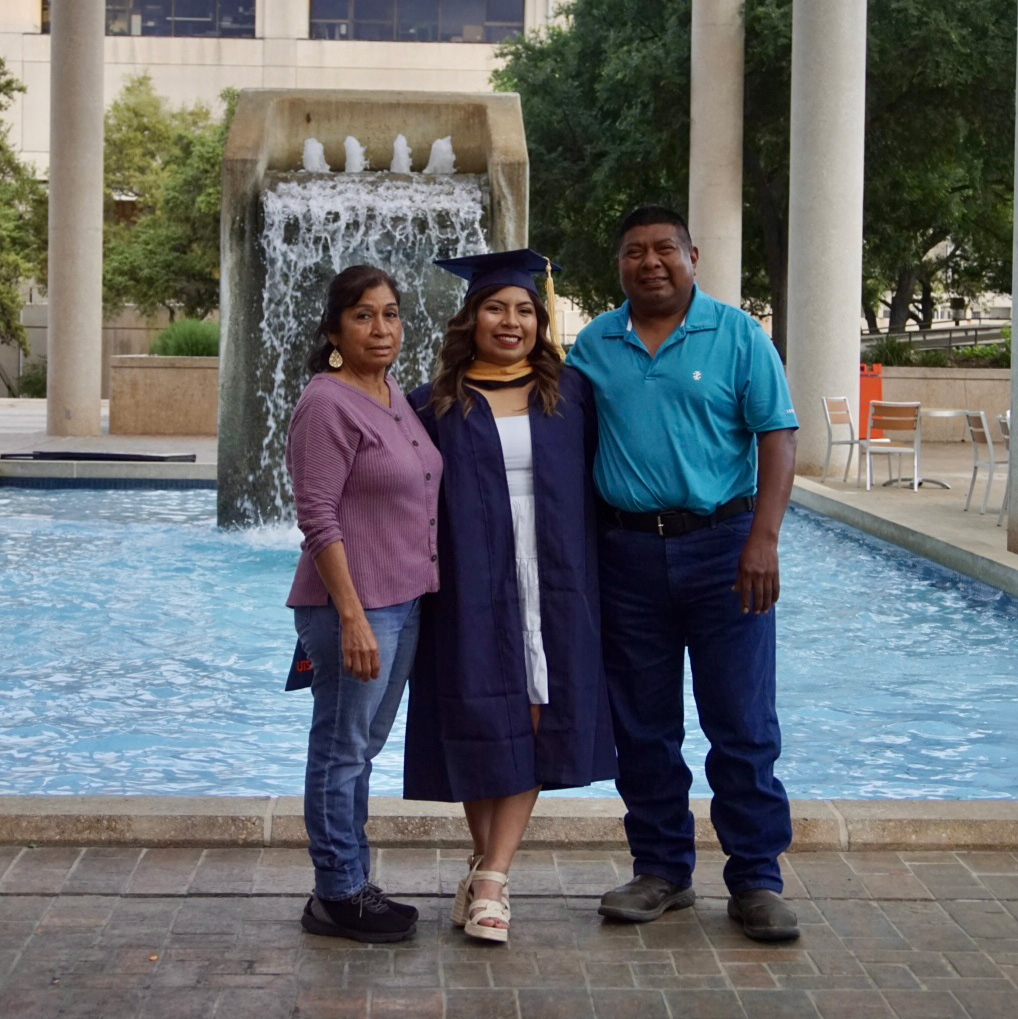
Early childhood is where foundational skills are built. Children learn letter and sound recognition, phonics, early writing and basic number sense. I love guiding those first discoveries and watching children gain confidence as they move from recognizing sounds, to writing sentences and solving math problems. The rapid growth at that age is deeply rewarding because small instructional moments have lasting effects on students’ academic trajectories.
What was your study abroad experience like?
I studied in Guadalajara, Mexico, which immersed me in everyday cultural practices and a different educational content. Living away from family allowed me to navigate transportation, interact with locals and compare pedagogical approaches. Academically we practiced new vocabulary daily, reflected on cultural observations and completed a presentation that synthesized language learning, customs and differences between Mexican and U.S. schools. The experience deepened my cultural competency and helped form my bilingual teaching.
What is next for you after graduation?
I plan to continue teaching at my school while exploring leadership pathways such as an assistant principal or working in curriculum development to make instruction more responsive to a variety of learners. A long-term goal is to potentially pursue a PhD and influencing bilingual education policy and practice.
— Katelyn Juarez
