
Posted on December 2, 2025 by Katelyn Juarez
An Educator’s Global Impact
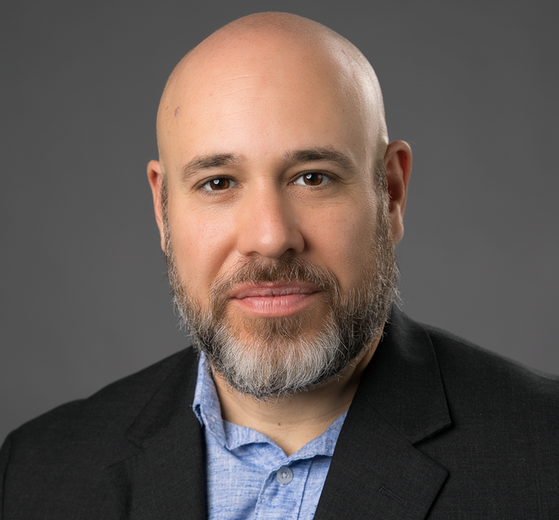
Héctor Castrillón-Costa, PhD
Héctor Castrillón-Costa is a scholar whose academic journey embodies the transformative power of education, cultural understanding and linguistic preservation. From his roots in Puerto Rico to his doctoral studies and current role as an Assistant Professor at the University of Wisconsin-Stevens Point, Castrillón-Costa’s path demonstrates a commitment to serving marginalized communities through education and research. Castrillón-Costa graduated from the university this past summer with a PhD in Culture, Literacy and Language and will walk the stage in December.

What inspired you to pursue a career in education and cultural literacy?
My journey began in Puerto Rico, where I completed my undergraduate degree in political science. When Texas school districts recruited bilingual educators, I discovered my passion for teaching in historically marginalized communities. Working in the Austin Independent School District, I realized that being bilingual wasn’t enough, I needed deeper cultural knowledge to truly serve my students. This realization drove me to the university’s doctoral program in Culture, Literacy and Language, where I could develop a more comprehensive understanding of community needs and educational dynamics.
Can you tell us about the Fulbright scholarship you received and the research you conducted in St. Lucia?
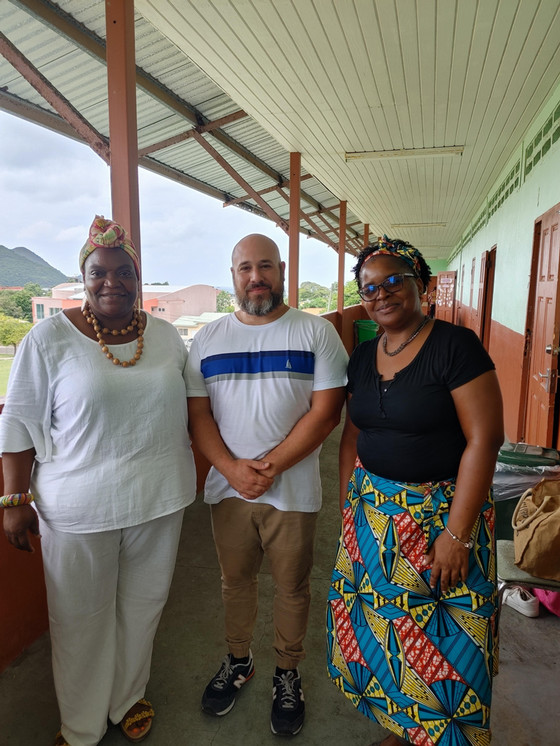
I received the Fulbright scholarship in 2022, and the research was a pivotal moment in my academic career. I spent 10 months studying the language policy in St. Lucia, focusing on their innovative approach to teaching public literacy in both English and Kwéyòl—a French Creole language. The research revealed powerful narratives of resistance and cultural preservation, showing how communities fight to maintain their linguistic identity despite pressures from globalization and dominant language structures.
How did UT San Antonio’s doctoral program prepare you for your current role?
The Cultural, Literacy and Language program at UT San Antonio was transformative. It wasn’t just an academic program; it was a holistic experience that integrated my previous backgrounds in political science, history and teaching. The program equipped me with three crucial skills: understanding the challenges faced by marginalized communities, developing tools to serve these communities effectively and expanding my perspective through various stories and experiences. Working with exceptional faculty provided me with a multifaceted approach to education and research.
What are your current professional goals?
At The University of Wisconsin-Stevens Point, I’m developing a research lab focused on plural education for sustainability. By combining expertise in education sustainability and plurilingualism, we aim to support local communities and expand understanding of linguistic and cultural uniqueness. I’m passionate about teaching, conducting meaningful research and mentoring future educators who will continue this important work of cultural understanding and empowerment.
— Katelyn Juarez
